 Tourism is the most economically important industry to the United States’ only island state, Hawaii. With Hawaii’s highest spending and largest international tourist segment, Japanese, decreasing significantly (a loss from over 2,000,000 in 1997 to just over 1,000,000 Japanese visitors in 2009), Hawaii needs to prepare to replace the significant decrease of Japanese visitors with a new visitor market.
The logical new international visitor target market would be tourists from the fastest-growing economy in the world, that being China. The results of a study done by Dr. Jerome Agrusa, Professor for the Travel Industry Management
College of Business at Hawaii Pacific University, concluded that socio-demographic variables show significant differences in attitudinal and behavioral characteristics.
For example, when comparing the number of times a respondent had visited Hawaii, first-time visitors showed the highest level of preference for a deluxe hotel, while second-time visitors showed the highest level of preference for a budget hotel. Those who had visited Hawaii three or more times indicated the highest preference for a first-class hotel and also to be more interested high-end shopping. First-time visitors showed the highest percentage in the lowest category of estimated cost of gifts (US$0-300). This indicates that Hawaii tour operators should focus on introducing more discounted shopping to first time visitors.
The results of this study are likely to be beneficial for understanding Chinese tourists and establishing marketing policies to enhance their satisfaction and raise their intention to revisit Hawaii. The findings of this study could be helpful for all stakeholders, including local tour operators, the hotels, and Hawaii’s tourism officials.
Mainland Chinese Tourists to Hawaii: Their Characteristics and Preferences
INTRODUCTION
As the only island state, Hawaii is the USA’s very own paradise and is among the world’s extremely popular tourist destinations with tourism being the most economically important industry for the state. The tourism industry in Hawaii has been experiencing a downward trend recently which has affected the economy of the state as a whole. Two main reasons for the recession to the Hawaiian tourism industry include the decline in Japanese tourists and the worldwide economic downturn. Although Japanese visitors are still the top Asia outbound travel population to Hawaii, statistics show that Japanese tourists held 30.3% of Hawaii’s market share in 1997 (2,200,000 visitors), compared to only a 17.1% market share in 2009 (1,100,000 visitors). There was a 4.9% decrease in Japanese visitors in 2009 compared to 2008 reflecting that Japanese tourists’ interest in travel to Hawaii is declining (DBEDT, 2010). With Hawaii’s highest spending and largest international tourist segment, Japanese, decreasing significantly, Hawaii needs to prepare to replace this notable reduction of Japanese visitors with a new visitor market. The logical new international visitor target market would be tourists from the fastest growing economy in the world, that being China.
At the same time, according to the statistics from the World Tourism Organization in 2009, the market share of Chinese travelers was 5.2% or 47 million outbound tourists in 2009 compared to 0.3% in 1995 (Yu, 2010). Even though the growth rate was not as high as the 11.94% in 2008, it is estimated that there will be 54 million Chinese outbound tourists in 2010 and the Chinese outbound market is ranked as the highest annual growth of any country in the world (SinoCast Daily Business Beat, 2009). Based on the World Tourism Organization’s “Tourism Vision 2020” Report, the industry is expecting 100 million Chinese visitors to be traveling around the world in 2020, which is equal to 6.4% of the total market share. Compared to the 0.7% total market share in 2003, there is and will be a very significant growth of Chinese outbound travel (STIM, 2003).
According to a recent article in The Honolulu Advertiser, “Chinese travelers are much sought after among visitor destinations around the world because they spend more than counterparts from any other country – about $7,200 per person per trip, according to the U.S. Commerce Department” (Yonan, 2010). As a result, Chinese travelers will be the key potential target market for Hawaii. Besides the significant growth of Chinese travelers to Hawaii, the local travel industry should be clearly aware of several concerns. The United States only represented .0084% of the Chinese outbound travel market (Travel Daily News, 2009). In a recent article by Dingeman in The Honolulu Advertiser, Hawaii tourism officials stated that Chinese tourism is expected to increase significantly because travel restrictions from China to the United States were eased in June of last year (2009). Likewise, with the enhancement of Mainland China’s national position and swift economic development, Mainland Chinese outbound tourism’s demand is expected to increase significantly.
Visa restriction is the key factor that affects Chinese travelers’ decisions to visit the United States. The U.S. government controls the number of visa’s that are issued and thus controls the number of Chinese visitors who can travel to the U.S. It is not worth the time for Chinese travelers to deal with this obstacle of restricted visas for their vacations. Another reason why Chinese travelers choose other countries over the United States as their travel destination is that transportation connections are inconvenient. With a need to reevaluate the visa and transportation system to alleviate the strict obstacles, there is also a need for conducting research to identify Chinese tourists’ socio-demographic and travel-related characteristics as well as explore their travel preferences. But according to Patrick Cooke, Vice-President of US Sales and Marketing of China Elite Focus, “The visa issue is less and less a problem for affluent Chinese travelers who choose, first, their US leisure destination on the web, and then, are ready to have multiple flight connections to reach their dream destination”. Traveler behavior and preference is one of the most important factors that the local travel industry should be examining for future tourism business to Hawaii. The key to determine whether Hawaii is in a strong market position for the Chinese outbound travel market is to examine what the Chinese visitors’ travel considerations will be.
Using other popular travel destinations such as Australia, which is one of the more popular countries that many Chinese travelers stated they would like to visit, the travel industry can better understand Chinese visitors’ behavioral patterns (Kim, Guo & Agrusa, 2005). By looking at the culture, sightseeing locations and features in Australia, Hawaii travel authorities should be able to compare and evaluate themselves to better fit and attract Chinese visitors. At the same time, the use of primary research such as conducting a survey is a channel by which to collect accurate data from the Chinese visitors who are already traveling to Hawaii.
This study is also a primary source to determine how and what Chinese people think of traveling to Hawaii. For example, factors that influence them to travel to Hawaii, what they want to do while visiting, how long they are going to stay, etc (Travel Behavior, 2005). More specifically, this study’s objectives are three fold. First is to identify attitudinal or behavioral characteristics of Chinese tourists. Second is to explore differences in attitudinal and behavioral characteristics of Chinese tourists between groups of socio-demographic and travel-related variables. Third is to analyze differences of preference in tourism to Hawaii between groups of socio-demographic and travel-related variables.
This research paper is expected to show specific information such as travel attitudinal or behavioral characteristics of Chinese travelers to Hawaii and their preferences. In addition, assessing these differences in the travel attitudinal or behavioral characteristics of Chinese travelers to Hawaii according to socio-demographic or travel-related variables is expected to help the local travel industry, specifically travel companies and hotels to better master their strategies to fit the Chinese outbound travel market preferences to Hawaii.
Characteristics of Mainland Chinese Tourists
From the estimation of the perspective market size, Li, Harrill, Uysal, Burnett, and Zhan (2010) recently argued that overall, Chinese outbound travelers and the Chinese outbound travel market remain unknown to most Western marketers. Aside from understanding Chinese tourists’ behavior and preferences, simply estimating the size of the Chinese outbound tourism market (i.e., how many people in China have been traveling abroad or have the potential to travel abroad) has remained a challenge.
A different perspective noted by Johanson (2007) is that key motivators found in the Chinese tourists’ related literature are fairly similar, for example, motivators for Chinese tourists to Western destinations such as USA, New Zealand, and Australia are to have an exciting vacation for the family as well as that which is perceived as having great value.
In Arlt’s (2006) comprehensive book about China’s outbound tourism, he provides an outline of the recent socioeconomic development which facilitated the rapid growth of outbound tourism. Arlt also tries to analyze the motives of the Chinese tourist. He uses Hofstede’s well-known cultural dimension models whereby the Chinese scored very high in “power distance,” low in “individualism,” and high in “long-term orientation.” One of the important assumptions about Chinese tourists is that they have a much stronger collective historical memory than Europeans.
There has been a growing body of evidence demonstrating that tourist behavior and travel patterns are cultural-specific (Kim & Agrusa, 2005; You, O’Leary, Morrison, & Hong, 2000; Yoo, McKercher, & Mena, 2004). Still, how much do the Western marketers really know about Chinese outbound travelers? How large is the gap between the Eastern/Chinese and Western cultural differences regarding the tourist behavior? Indeed, when addressing important issues like these, one needs time to accumulate an understanding for it. Fortunately, a review of the tourism literature indicates that recent studies have provided some useful information for understanding Chinese outbound tourists, either from the tourists’ or employees’ perspectives.
In an empirical study by Humborstad, Cheng, and Ng (2008), the authors used SERVQUAL to investigate service quality perceptions by both group and individual Mainland Chinese tourists visiting Macao. Significant differences were found in the results in terms of the five-dimension model and most of the surveyed subjects agreed that empathy was very powerful in their overall satisfaction. Another study by Liu, Choi, and Lee (2007) indicated that Chinese tourists shopping in Hong Kong claimed that the sales personnel could not describe the product in detail or communicate in Mandarin, and worst, they did not show enough respect or care for the visitors. Similar findings were also revealed in a UK study by Wang, Vela, and Tyler (2008) which addressed cultural and hotel service quality that resulted in Chinese tourists feeling that the employees in a UK hotel had low empathy towards them.
Mohsin’s (2007) analysis of Chinese travelers’ motivation toward holidaying in New Zealand indicated that general relaxation needs and intellectual/curiosity motives were the important factors for Chinese tourists to travel abroad. Moreover, Chinese tourists are more interested in increasing their knowledge by discovering new places and ideas. This suggestion is also supported by Pan and Laws (2001) that Chinese travelers seem to become very eager to acquire new knowledge through visiting other countries with different cultural backgrounds.
By using the importance-performance analysis (IPA) model, Zhang and Chow (2004) invited a total of 426 Mainland Chinese tourists to assess the performance of Hong Kong’s tour guides. Twenty pertinent tour guide service quality attributes were identified. The results of the IPA model illustrated that Hong Kong’s tour guides performed well in 11 out of the 20 service quality attributes, specifically in areas mainly related to their ‘professional skills’, ‘reliability and language ability’ (keep up the good work quadrant), while the ‘problem-solving ability’ of Hong Kong’s tour guides fell into the (need to concentrate here quadrant).
On the contrary, from the employees’ points of view, Yeung and Leung (2007) investigated the perception and attitude of Hong Kong hotel guest-contact employees toward Mainland Chinese tourists. Their results revealed that most of the hotel guest-contact employees perceived Mainland Chinese tourists negatively with regard to their appearance, personalities, and behavior. Also, the study suggested that Hong Kong hotel employees should be more culturally sensitive and aware of their subjective judgments when catering to Mainland Chinese tourists.
By conducting a qualitative research study and interviewing 11 Australian inbound tour operators, Pan and Laws (2003) clearly identified the characteristics of Chinese package tours to Australia. For example, most of the Chinese tourists to Australia were first time visitors, inclined to take longer trips than when visiting other Asian countries (e.g., Hong Kong, Singapore, Malaysia), and the prices of the tours are quoted on a per day rate, instead of a price for each individual tourist product ala carte style that tourists intend to consume.
While several studies focused on Chinese tourists’ and hospitality employees’ perspectives regarding the quality of service and the destination, other studies focused on information and influences. For example, by using the analysis of the in-flight survey data, Cai, Lehto, and O’Leary (2001) once profiled the characteristics of U.S.-bound Chinese travelers in terms of their age, gender, income, lead time of pre-trip preparation, etc. Comparisons were also made among three groups: business only, business and leisure, and leisure only travelers. All three groups identified travel agencies as a main information source, while leisure travelers tended to use informal sources such as friends and relatives as well as word-of-mouth. The business and hybrid groups showed a stronger reliance on official or formal information channels such as the national government tourist office and corporate travel department.
Furthermore, in a study which invited individuals in shopping malls of three major cities in China (Beijing, Shanghai, and Guangzhou) where travel agencies were located, Hsu, Kang, and Lam (2006) surveyed 464 Chinese residents and found different reference groups’ opinions were perceived differently when it comes to the decision of choosing Hong Kong as a travel destination. Respondents were more likely to be in agreement with their primary reference group’s (i.e., family and friends/relatives in this study) opinions than their secondary reference group’s (i.e., travel agents). In a Sparks and Pan’s (2008) study, similar findings were also revealed that reference groups are influential in travel intentions for Chinese travelers. Both findings are fairly consistent with the cross-cultural attitude work by Bagozzi, Lee, and Van Loo (2001) which found in Chinese behavioral intention to be more influenced by social norms and less influenced by attitudes than that of Americans. Similarly, Chan and Lau (2001) found that social norms were weighted heavier than attitudes in predicting behavioral disposition for Chinese consumers. The collectivist nature of the Chinese culture might also explain the strength of social influences in stated behavioral intentions (Sparks & Pan, 2008).
Most of the above-mentioned studies focus on the positive side of the outbound Chinese tourist market, specifically that the outbound travel is continuing to climb and is reflecting the new found wealth, changed lifestyles, and increasing personal freedom of outbound traveling. However, these positive traits, to a certain extent, are overshadowed by a serious pitfall which is that many destination service providers of Chinese tourists complain about their “uncivilized behavior,” such as littering, spitting, snatching bus seats, jumping or cutting while waiting in lines, taking off shoes and socks in public, speaking loudly, bad temper and cursing, smoking in non-smoking areas, etc. (Zhang, 2006; Li, 2006). There are also other challenges facing the development of the Chinese outbound travel market such as: shortage of outbound professional leaders, forced shopping, poor knowledge of destination countries, etc. (Pan & Laws, 2003; Guo, Kim, & Timothy, 2007).
For marketers, and for the best and worst of the Chinese outbound market, much of the literature that explored the characteristics of Mainland Chinese tourists has developed in light of various destination countries/areas, such as Hong Kong (Zhang & Chow, 2004; Hsu, Kang, & Lam, 2006; Liu, Choi, & Lee, 2007; Yeung & Leung, 2007), Kinmen (Chen, Chen, & Lee, 2009), Macao (Humborstad, Cheng, & Ng, 2008), Australia (Pan & Laws, 2001; Pan & Laws, 2003; Li & Carr, 2004), New Zealand (Mohsin, 2007), UK (Wang, Vela, & Tyler, 2008), and the USA (Johanson, 2007).
However, there is limited research that profiles Mainland Chinese tourists to Hawaii. For Hawaii, tourists from China are going to be an emerging market; for Mainland Chinese tourists, Hawaii is one of the world’s most popular tourist destinations and is the only island state of the USA. As Oppermann (1997) once suggested, catering to tourists from different markets requires different approaches. This research study will provide an initial assessment of the characteristics and preferences of Mainland Chinese tourists to Hawaii. It is believed that this study is a helpful resource for the entire travel industry in Hawaii and will develop a list of possible strategies to handle the potential Mainland Chinese visitors.
METHODOLOGY
The population for this study consisted of tourists from Mainland China visiting Hawaii. The methodology that was applied in this research was the use of the survey method. A research instrument was designed where Chinese tourists were asked to rate their attitude and preference on their visit to Hawaii. In this study, 19 items measuring attitudinal or behavioral characteristics of Mainland Chinese tourists visiting Hawaii were examined. The items chosen focused on tourists’ motivation, attitude, and behavior, which are widely used in international travel literature (Agrusa & Kim, 2008; Jang & Cai, 2002; Kim, Lee & Klenosky, 2003; Kim & Prideaux, 2005; Kozak, 2002; Tyrrell, Countryman, Hong & Cai, 2001; Uysal & Hagan, 1993; Yuan & McDonnald, 1990). Subsequently, the items were modified to indicate Chinese tourists to Hawaii. A 7-point rating scale where 1=‘strongly disagree,’ 4=‘neutral,’ and 7=‘strongly agree,’ were applied to quantify the responses to the items.
Questions requiring answers of categorical and quantitative value included specific purposes of trip, primary information source, type of accommodation, length of planning stage for this tour, preferred gift, preferred tourism site, preferred tourism activity, preferred national food, preferred type of accommodation, as well as demographics such as gender, marital status, and educational level. Concurrently, items relating to Hawaii’s tourism, which originated from consultation with travel agencies specializing in Hawaii as well as from previous studies, were also considered for the final questionnaire (Agrusa, 2000; Keown, 1989; Lee & Zhao, 2003; Reisinger & Turner, 2002; Rosenbaum & Spears, 2005). Furthermore, qualitative open-ended questions indicating age, number of tourists in a tour group, total number of overseas tours taken including this tour, average length of stay, gift purchasing, and tour cost were added.
The research questionnaire included 19 items of attitudinal or behavioral characteristics of Chinese tourists visiting Hawaii. The survey was initially written in English and then translated into Chinese. An independent bilingual individual then translated the Chinese version back into English in order to check for inconsistencies or mistranslations. Finally, the English version was translated back into Chinese addressing any inconsistencies.
In designing the questionnaires, the double translation method (back translation) was utilized prior to distribution (McGorry, 2000). Even though occasions exist where the literal translation process may have missing information, the double translation method is one of the most adequate translation processes (Lau & McKercher, 2004).
To avoid ambiguity in the questions, and to ensure that all of the questions written on the survey instrument were clearly understood, a pilot test of 20 Chinese tourists in Waikiki was completed prior to data collection. The author and four native Chinese speakers administered the surveys. A sample of 350 Chinese tourists who completed the survey instrument and were vacationing in Honolulu set the basis for the data in this study. The final sample size of 323 surveys was reached by extracting incomplete questionnaires. Popular tourist locations such as Waikiki Beach, Ala Moana Shopping Mall and other popular tourist locations in Honolulu were used to survey the Chinese tourists.
Participation in this study was completely voluntary and insurance of absolute confidentiality of answers to all questionnaire items was given to respondents. It is believed that all respondents answered the survey instrument honestly as the survey was anonymous and self-administered.
In order to identify differences of attitudinal or behavioral characteristics of Chinese tourists between the numbers of times they have visited Hawaii and marital status groups, a series of t-tests were conducted. For Chinese tourists visiting Hawaii, one-way Analysis of Variance (ANOVA) tests were undertaken on attitudinal or behavioral characteristics according to different age groups. Duncan’s multiple range test was subsequently used, in cases where significant differences were discovered, to examine the source of the differences across the respondent subgroups. To investigate if there were statistically significant levels of association between selected socio-demographic characteristics and travel-related or preference variables, chi-square tests were applied.
RESULTS
Demographic Profile
According to frequency analyses on socio-demographic and travel-related profile of respondents, most of the respondents were female (52.6%), in the 20s (35.7%) and 30s (24.5%) age groups, married (65.7%), and with either some college or a college graduate (63.9%). The respondents came from Beijing (20%), Shanghai (15.2%), and Guangdong (9.0%). Regarding the number of overseas travel times to Hawaii, the respondents reported once (23.3%), two times (13.3%), three times (18.3%), four times (10.8%), and five times (12.5%). In reference to length of stay in Hawaii, they indicated three nights (18.1%), two nights (16.0%), and four nights (13.6%). Most preferred accommodation type was first class hotel (41.5%) and budget hotel (25.9%).
Respondents indicated that it took between one and two weeks (45.3%) and between two weeks and one month (25.5%) to set up a concrete plan for this trip. The total number of trips to Hawaii, including this occasion, was the first time (69.0%) and two times (19.0%). The main purpose of this trip was a business trip (42.9%) and an education trip including attending conferences (52.1%). Ninety-two percent of the respondents stated they used a package tour, and were accompanied by friends/relatives (48.6%). The number of people traveling in the package tour was 5-10 (45.0%). They also reported the two main information sources for this trip were a travel agency (40.4%) and word-of-mouth from friends/relatives (29.6%).
Overview of Attitudinal or Behavioral Characteristics
Table 1 demonstrates the mean and standard deviation values of 19 attitudinal and behavioral items. High mean scores were found on “I try to understand and follow the Hawaiian culture” (mean=5.38) and “I respect the lifestyle and customs of the Hawaiian residents” (mean=5.37). This implies that Chinese tourists tend to try to understand foreign culture and the different lifestyles.
A high agreement was found on the following three items, “I’d like to experience Native Hawaiian culture” (mean=5.27), “I will choose or chose an optional tour” (mean=5.13), and “I’d like to visit places familiar to residents rather than places designed for tourists” (mean=5.03). Thus, respondents showed a high level of interest in exploring Hawaiian culture and the local community. However, they showed the preference of their ethnic Chinese food over local food during their tour to Hawaii indicating “I prefer Chinese food to Hawaiian food” (mean=5.28).
Respondents revealed a high level of interest in marine sports tourism, “I’d like to experience sports such as water or ocean sports” (mean=5.26).
Regarding shopping, their buying preference was indicated as discounted products (mean=5.17). The results are consistent with a relatively low level of agreement on the following shopping-related items, “I place importance on brand name products rather than the price in purchasing products” (mean=4.52), “I prefer purchasing new fashion products while shopping on vacation” (mean=4.67), and “I prefer to shop for brand-name products while shopping on vacation” (mean=4.53). Overall, the respondents are likely to be those who are not accustomed to habitual shopping and are unlikely to be highly engaged with shopping in Hawaii.
The Chinese respondents in this study showed a relatively lower agreement on getting acquainted with local residents and other foreign tourists. Regarding the respondents’ tendency to complain to government agencies or business if there is a problem or inconvenience while on vacation, they showed a relatively low level of willingness to complain (mean=4.72). This result is likely to arise from the collective culture, which tend to attribute erroneous results to common responsibility and embrace the errors (Hui & Au, 2001; Ngai, Heung, Wong & Chan, 2007). Lastly, they showed a high tendency of not sending a letter or postcard to their family or friends from Hawaii and for not using a rental car during this trip.
Factor Analysis of Attitudinal or Behavioral Items
A principal component factor analysis with varimax rotation using the 19 items was undertaken to determine the dimensions underlying the attitudinal or behavioral items. However, the result of the factor analysis revealed very low commonality values (less than 0.30) on two items, “I tend to complain to government agencies or business if I have a problem or inconvenience while on vacation” and “I will send or have sent a letter or post card to my family or friends from Hawaii.” Thus, these two items were deleted from further factor analysis. A final factor solution is provided in Table 2.
The 17 remaining items consisted of five factors with eigenvalues higher than 1.0. The factors accounted for 61.81% of the variance and were labeled: “active participation in a Hawaii tour,” “interest in Hawaii culture,” “shopping habits,” “passive participation toward a Hawaii tour,” and “respect for the Hawaiian community.” A total of 17 items revealed factor loadings of over 0.50 which were in excess of 0.45 and these results were assessed as fair or above by Comrey and Lee (1992). Commonality value for each variable, which accounts for the variances explained by the factors, ranged from 0.49 to 0.77, indicated that each variable contributes to forming the factor structure. Grand means on the five domains were 5.14, 4.81, 4.58, 4.95, and 4.86, respectively.
Differences in Attitudinal or Behavioral Characteristics of Chinese Tourists According to Socio-demographic Variables
The differences in attitudinal or behavioral characteristics of the Chinese tourists according to socio-demographic variables were first tested using a MANOVA procedure. In these procedures, the five domains were dependent variables (i.e., multivariate), while the socio-demographic variables (gender, education level, frequency of visit, marital status, and age) were respectively used as independent variables. Gender was found not to have a significant effect out of all five domains (p=0.350). Thus, there was no need to subsequently conduct t-tests to identify differences in attitudinal or behavioral characteristics of the Chinese tourists according to gender.
The results of a MANOVA analysis conducted to examine differences in attitudinal or behavioral characteristics of the Chinese tourists between two education levels showed not to have a significant effect on all the five domains (p=0.220). The results of a MANOVA found that frequency of visits had a significant effect on the five domains (p<0.01). The univariate analyses undertaken to explore these differences showed significance on the “interest in Hawaii culture” (p<0.05) and “shopping habits” (p<0.05) domain. That is, the third or more-time visitor to Hawaii showed a higher mean score than that of the first or second-time visitor. This indicates that the three or more-time visitors are likely to be interested in Hawaii culture such as “curiosity about residents”, “willing to rent a car to take a trip” and have shopping habits such as “preferring brand-name products” or “purchasing new fashion products”.
A MANOVA procedure reported a significant effect by marital status on the five domains (p<0.01). The results of the univariate analyses conducted to explore this effect are provided in Table 3. Two domains, “active participation in a Hawaii tour” and “respect for the Hawaiian community” were significant at the 0.05 level, while “passive participation toward a Hawaii tour” domain was significant at the 0.01 level. Married respondents showed a higher mean score than that of single people on the three domains.
The results of the difference in attitudinal or behavioral characteristics of Chinese tourists between age groups. At first, a MANOVA analysis generated a significant effect of age on the five domains (p<0.01). Significance was found on the three domains: “active participation in a Hawaii tour (p<0.01),” “passive participation toward a Hawaii tour (p<0.01), and “interest in Hawaii culture (p<0.05)”. Those in their 50s or older reported the highest mean value on passive participation toward a Hawaii tour.
Differences of Gift Preferences According to Age, Gender, Marital Status and Experience in Visiting Hawaii
In analyzing the differences of preferred gift items according to age, both the 20s and 30s age groups showed a high tendency of preferring a traditional Hawaiian gift. However, those in the 40s age group showed a preference for purchasing alcohol as a gift compared to the other age groups, while they least preferred Hawaiian coffee as a gift item. The 50s or above age group tended to least prefer alcohol as a gift, whereas their most preferred gift item was Hawaiian chocolate. The results are reported in Table 5. However, significance was not found on the preferred tourism site, preferred tourism activity, and preferred accommodation between the age groups (Table 5). Also, when analyzing by gender, significance was not by preferred gift item, preferred tourism site, preferred tourism activity, preferred food, or preferred accommodations.
According to the results of the chi-square tests for identifying the association between gift preferences of Chinese tourists and marital status, significance at the .05 level was found on preferred gift item ( =9.805, p=0.020). Single respondents preferred Hawaiian traditional gifts the most, whereas their preference for alcohol and Hawaiian chocolate was least. Married respondents showed the highest preference for a Hawaiian traditional gift and Hawaiian chocolate.
When analyzing the gift preferences of Chinese tourists and number of visits to Hawaii, significance at the 0.01 level was found on preferred gift item ( =31.487, p=0.002). Respondents who reported 10 times or more in the number of visits to Hawaii indicated the highest tendency of preferring alcohol as a gift item. Those who traveled to Hawaii for the first time preferred to buy a Hawaiian traditional gift and Hawaiian chocolate as a gift. The pattern was similar to those who had visited Hawaii three or four times.
In analyzing the association between preferred accommodation and number of visits, significance was found at the 0.001 level. First-time visitors showed the highest level of preference for a deluxe hotel. Second-time visitors showed the highest level of preference for a budget hotel, while they never preferred a vacation home. Those who had visited Hawaii three or four times indicated the highest preference for a first class hotel, whereas they showed the least preference for a vacationer home. Those who had visited Hawaii five to nine times had the highest response preference for a first class hotel. However, those who had traveled 10 times or more indicated the highest preference for a deluxe hotel.
Differences of Socio-demographic or Travel-related Variables According to Estimated Costs of Gifts
Results of chi-square tests used for identifying the association between socio-demographic or travel related variables and estimation of costs of gifts purchased, indicated significance at the 0.05 level on age ( =19.932, p=0.018) and marital status ( =10.582, p=0.014), while at the .01 level on the number of times to visit Hawaii ( =30.111, p=0.003). Respondents in their 20s indicated the lowest category of estimated cost of gifts purchased (US$0-300). The younger age groups (20s-30s) showed the highest percentage in the second category of estimated cost of gifts (US$301-600). Interestingly, those in their 20s and 40s reported the highest percentage in the highest estimated cost category (US$1,001 or more).
First-time visitors showed the highest percentage in the lowest category of estimated cost of gifts (US$0-300). Meanwhile those who had visited three or four times showed the highest percentage on purchasing gifts in the US$301-600 category. Those who had visited three or four times as well as the first-time visitors group demonstrated the two highest percentage groups in the category of purchasing gifts at the US$601-1,000 level. Lastly, Chinese tourists who had visited Hawaii ten or more times showed the highest percentage in the category of US$1,001 or more for purchasing gifts.
CONCLUSION
The aim of this study was to understand Chinese tourists to Hawaii in terms of their travel attitudinal or behavioral characteristics and their preferences. Further, these characteristics and preferences are different according to socio-demographic or travel-related variables. Additionally, this study examined the association between socio-demographic or travel-related variables and the estimated cost of gifts.
Based on empirical analyses, important findings and practical implications are as follows. First, Chinese tourists showed a high level of interest in marine sports. Thus, Hawaii should promote marine sports such as boating and visiting underwater reefs through the use of submarines. Although Hawaii has a number of marine sports companies such as submarine adventure, the tours and brochures are in English and Japanese, therefore both audio and signage in the Chinese language needs to be more heavily developed.
Second, when asked about shopping, Chinese tourists did not show interest in brand-name products or new fashion products. They may prefer to buy discounted and low priced products. On the other hand, since this may be a result of the high level of Hawaii’s consumer prices, Chinese tourists may avoid purchasing high valued and high priced gifts or products. Thus, Hawaii should focus the Chinese tours on visiting the “outlet malls such as the Waikele Premium Shopping Outlet, discount shopping such as Ross Dress for Less stores, and the Swap Meet at Aloha Stadium.”
Third, this study found a low level of complaint behavior from the Chinese tourists. The results arise from a collective culture that the Chinese embrace. These results are consistent with those of other studies (Hui & Au, 2001; Ngai, Heung, Wong & Chan, 2007). One of the reasons why Chinese tourists do not complain may be a lack of ability to communicate in English. However, Hawaiian businesses should realize that Chinese tourists are becoming market-intelligent as they experience more overseas tourism. To address this issue, customer satisfaction and comment cards need to be developed and written in Chinese. Also, a request that the tour guides specifically ask the Chinese visitors if everything was acceptable as well as asking what the tourists believe can be changed to make the experience more pleasurable for the next visit to Hawaii. As this study and other studies have indicated, Chinese tourists rely heavily on family and friends for information as well as have a influence on their decision on where they travel (Hsu, Kang, & Lam, 2006; Sparks & Pan, 2008) . These new Chinese visitors to Hawaii can be the trend setters for future Chinese travellers. If these first waves of Chinese visitors have a negative experience on their visit to Hawaii, they will go home and tell their family and friends, thus causing a negative domino effect for future Chinese visitors to Hawaii.
Fourth, more frequent visitors tend to be more interested in the local Hawaiian culture as well as high-end shopping. These results are very understandable. According to the specialization theory, the more specialized a person is in a leisure or tourism activity the more intensive their commitment or involvement in the activity (Bryan, 1977; Lee, Scott & Kim, 2008; McIntyre & Pigram, 1992). Chinese tourists who visit frequently will be heavy consumers and are a good target market for the Hawaiian cultural and hospitality industry. In addition, they will become an opinion leader in China, thus promoting tourism to Hawaii.
Fifth, younger visitors are more interested in active tourism participation, whereas older visitors are more interested in passive tourism participation. These findings are very reasonable. Thus, for younger Chinese tourists, active tourism activities such as participatory marine tourism activities such as sailing and surfing as well as hiking should be promoted. Reversely, older tourists may prefer to enjoy static or passive tourism activities such as viewing wildlife, shopping or learning Hawaiian history as well as participating in traditional lei making activities.
Sixth, overall, traditional Hawaiian gifts were preferred by all age groups. Interestingly, when it comes to purchasing gifts, Hawaiian chocolate was preferred by more than half of all respondents in their 50s or older, while not as highly ranked among other age groups. Surprisingly, Hawaiian coffee and alcohol was least preferred by most respondents. This is surprising due to the fact that Hawaiian coffee is rated as a premium coffee and that Hawaii is the only state in the U.S. that grows coffee. A 10 ounce bag of 100% Kona coffee will cost approximately $20-$25 in Hawaii, while it will cost $60-$100USD in China, therefore it would make an excellent gift.
Seventh, preferences for tourism products were not differentiated by gender diversity. This means Hawaiian marketers do not need to consider preferences in marketing toward the different genders because their preferences are homogenous. On the other hand preferences for tourism products were differentiated by both age groups as well as by the number of times respondents have visited Hawaii. Therefore, Hawaii marketers should try to develop target markets by these variables.
Eighth, Chinese tourists that showed more frequency in visiting Hawaii reported they do not prefer Hawaiian chocolate as a gift item. Interestingly, they prefer to buy alcohol as a gift as well. The more frequent visitor to Hawaii showed a higher level of preference for a deluxe hotel as a preferred type of accommodation. This may be due to the fact that they are likely to be more affluent as a result of the high number of times they have visited Hawaii as well as in their selection of alcohol as their gift of choice from Hawaii.
Ninth, married tourists are likely to buy more gifts for consumption. First-time visitors and younger tourists are likely to spend less on buying gifts in Hawaii. This indicates that Hawaii should focus on introducing more discounted shopping to these two groups.
Conclusively, as Hawaii begins to receive direct flights from China, Hawaii needs to prepare for the imminent rush of visitors from Mainland China. Those working in Hawaii’s tourism industry should make sure that they use clear market segmentation for groups by both age and the number of times they have visited Hawaii to include the types of shopping as well as the kinds of activities that these groups desire and are willing to purchase. One activity that Chinese visitors to Hawaii have requested is to visit and experience locations that are more frequently visited by the local population of Hawaii. To experience buying items where Hawaiian residents shop, tours of the local farmers markets that include locally made products would accomplish this request.
With the recent changes in Visa restrictions, China, the most populated nation in the world is now allowed to visit Hawaii as tourists. One industry in Hawaii that has the vision and fortitude to address the new wave of Chinese visitors to Hawaii is that of the banking industry. One such bank is the Bank of Hawaii (BOH), which is one of the largest banks in Hawaii along with over 1,000 of its local participating merchants have formed an agreement to accept bank cards from China UnionPay (CUP). CUP is China’s largest issuer of bank cards and with the ability of Chinese visitors to use their credit/debit cards in all of BOH’s ATMs, as well as at their participating merchants has now made shopping much easier for Chinese visitors. In addition, BOH ATM transaction screens now display the Chinese language for CUP card holders as well as have waived all bank transaction fees which will provide a greater incentive for Chinese visitors to visit Hawaii and allows for the comfort of not having to carry large sums of cash during their trip. Hawaii’s tourism community needs to follow its banking industry and prepare for the preferences of the new Chinese traveler. With China’s growing economy and new wealth, it is estimated that within the next 10 years (by 2020), visitors from China will be the number one tourists traveling around the world. With the collectivist nature of the Chinese culture and the strong influence that family and friends’ opinions have on behavioral intentions including travel, it is crucial that Hawaii be prepared to provide and exceed the preferences and services that this first wave of Chinese visitors to Hawaii are requiring, or there may not be any future waves.
If Hawaii becomes known as a tourist destination that does not cater to Chinese tourists in the same way they have for the Japanese tourists, then negative word of mouth throughout the Chinese society will be extremely difficult to overcome. To avoid this negative stigma, Hawaii needs to provide hospitality employees (hotels, restaurants, and tourism activities as well as retail shop employees) that can speak the Chinese language, provide restaurant menus and signs in stores with Chinese characters, and learn some of the Chinese cultures which can be integrated into the Aloha Spirit. It is vital that Hawaii’s tourism industry embrace this first wave of Mainland Chinese tourists who may become the trend setters for future waves of tourists from Mainland China.
The question is whether or not Hawaii will be prepared to provide the services and activities that this new tourist market is expecting. Hopefully, Hawaii’s Tourism Authority and the tourism operators will take into consideration the results of this study and prepare to not only meet, but exceed the expectations and preferences of the Mainland Chinese visitors to Hawaii.
Finally, the limitation of this study is that the convenience sampling approach was used. Since this study represents an initial attempt to apply tour purpose-based segmentation, a future research study needs to be assessed to determine if this study’s results can be valid to other samples.
For more information on the study, contact Dr. Jerome Agrusa at jagrusa@hpu.edu .
Professor Jerry Agrusa would like to acknowledge and thank Hawaii Pacific University’s Trustee Scholarly Endeavors Program (TSEP) committee for providing a grant in support of this research. Without the assistance of the TESP committee, this important research project may not have been able to be accomplished.

 The Beverly Hills Conference & Visitors Bureau (BHCVB) hosted an educational tour through the City to promote tourism to business representatives with interests based in Shanghai last Friday.
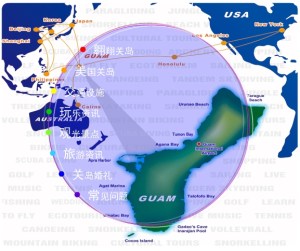 In order to further engage and attract the Chinese tourists,
  While the economy drains Connecticut’s casinos of valuable revenue, their investments in Asian gamers hedge those losses.
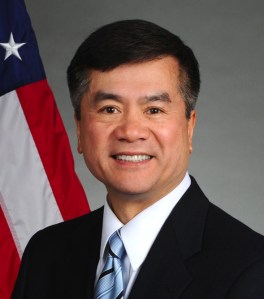 In response to President Obama’s announcement regarding Commerce Secretary
  It’s the time of year when red and gold lanterns adorn Strip casino ceilings and citrus trees line hotel lobbies. It isn’t your typical New Year’s décor but a sign that Las Vegas is ready to usher in another round of celebrations — and one of its most profitable periods of the year.
 China Elite Focus Limited
 By John Parker
 The U.S. tourism industry needs to improve its service quality to gain a slice from China’s fast-growing group of tourists, industry and government officials said.
 As a growing number of Chinese travel abroad for business and leisure, competition to lure mainland travelers is also heating up. One of the people responsible for steering mainland travelers to the United States, and one of the most experienced aviation professionals working in China today, is








 Chinese tourists in America